Executive Summary Africa generates more than 125 million tonnes of municipal solid waste every year, and this figure is expected to grow significantly as urbanization accelerates. At the same time, many countries continue to experience electricity shortages, rising fuel costs, and increasing pressure on landfills and public infrastructure. While waste-to-energy technologies have gained global attention,
Executive Summary Waste does not recognize national borders. As Africa’s cities continue to grow, so do the environmental, economic, and public health challenges associated with managing municipal waste. Rapid urbanization, changing consumption patterns, and limited waste infrastructure have created a continent-wide challenge that demands coordinated action. Yet within this challenge lies a significant opportunity. Across
Executive Summary Africa faces two urgent and interconnected challenges, rising volumes of unmanaged waste and persistent energy deficits. Rapid urbanization, population growth, and changing consumption patterns have overwhelmed existing waste systems, while more than 600 million people still lack reliable access to electricity. Waste-to-energy solutions offer a practical pathway to address both issues at scale.
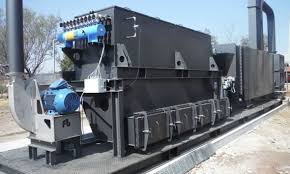

Executive Summary Municipal waste is no longer a liability—it is a powerful asset. Paflor Developments Inc. transforms solid waste into sustainable energy through modular Waste-to-Energy (WtE) systems. In partnership with leading technology providers, we offer turnkey solutions tailored for small island states and African cities, emphasizing emissions control, circular economies, and scalable implementation. This paper