The Future of Waste is Energy: Turning Municipal Waste into Clean Power

Executive Summary
Municipal waste is no longer a liability—it is a powerful asset. Paflor Developments Inc. transforms solid waste into sustainable energy through modular Waste-to-Energy (WtE) systems. In partnership with leading technology providers, we offer turnkey solutions tailored for small island states and African cities, emphasizing emissions control, circular economies, and scalable implementation. This paper presents our WtE project framework, technologies, partnerships, and the transformational benefits for communities and governments.
I. Introduction: Waste as an Opportunity
Across the Caribbean and Africa, waste management infrastructure lags behind urban growth. Landfills overflow and emissions rise, threatening public health and ecosystems. Meanwhile, grid instability and energy poverty persist. Paflor views this dual challenge as an opportunity to produce clean energy, reduce land usage, and stimulate green jobs by deploying localized, reliable WtE facilities.
II. Modular WtE Systems
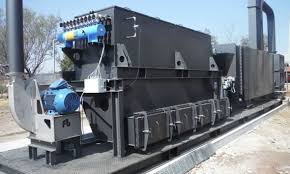
Paflor’s WtE models are designed for flexibility, making them ideal for municipal deployments:
- Compact footprint with scalable modules: Systems ranging from 5–50 MW, deployable near waste sites
- Multiple conversion technologies: Thermal (incineration with energy recovery), anaerobic digestion (for organics), and gasification (for high calorific value waste)
- Integrated waste sorting and pre-treatment: Reducing contaminants and enhancing combustion efficiency
III. Technology & Partnerships
We collaborate with top-tier technology firms for emissions capture, energy recovery, and automation:
- Gas scrubbers and catalytic filters for dioxin, NOx, and particulate control
- CHP units (Combined Heat and Power) for dual electricity and thermal energy output
- AI-driven optimization software for real-time monitoring of system performance and emissions compliance
IV. Circular Economy Impact
Our systems reintegrate recovered energy, water, and materials into the local economy:
- Electricity for grid/microgrid deployment or direct industrial use
- Organic fertilizer from anaerobic digestate for agricultural reuse
- Recyclables diverted upstream from incineration for material recovery
This closed-loop model helps municipalities reduce imports, cut energy costs, and lower waste-to-landfill ratios.
V. Featured Projects
- Caribbean WtE Initiative: Partnered with local utilities and waste authorities to install a 10 MW thermal gasification plant managing 120,000 tons/year of municipal solid waste. Plant operates at 95% uptime and has reduced landfill use by 40%.
- Nigerian Waste Conversion Hub: Pilot project processing 500 tons/day via modular incinerator and anaerobic digester. Generated 2 MW of electricity, 25 tons of fertilizer, and employed 150 local workers. Expansion planned to reach 1,000 tons/day.
VI. Environmental & Economic Benefits
- Reduces methane and CO2 emissions: Up to 85% reduction versus open landfill
- Cuts landfill usage and leachate contamination: Reduces vector-borne disease risks
- Creates local employment: Engineers, technicians, operators, and recycling workers
- Strengthens energy independence: Generates base load energy for underserved areas
VII. Conclusion
Waste-to-Energy is more than a clean tech trend; it’s a cornerstone of sustainable development. Paflor delivers practical, profitable, and proven WtE solutions to communities ready to lead in green transformation.
Call to Action:
Reach out to Paflor Developments to discuss how your municipality can convert waste into long-term energy security.
